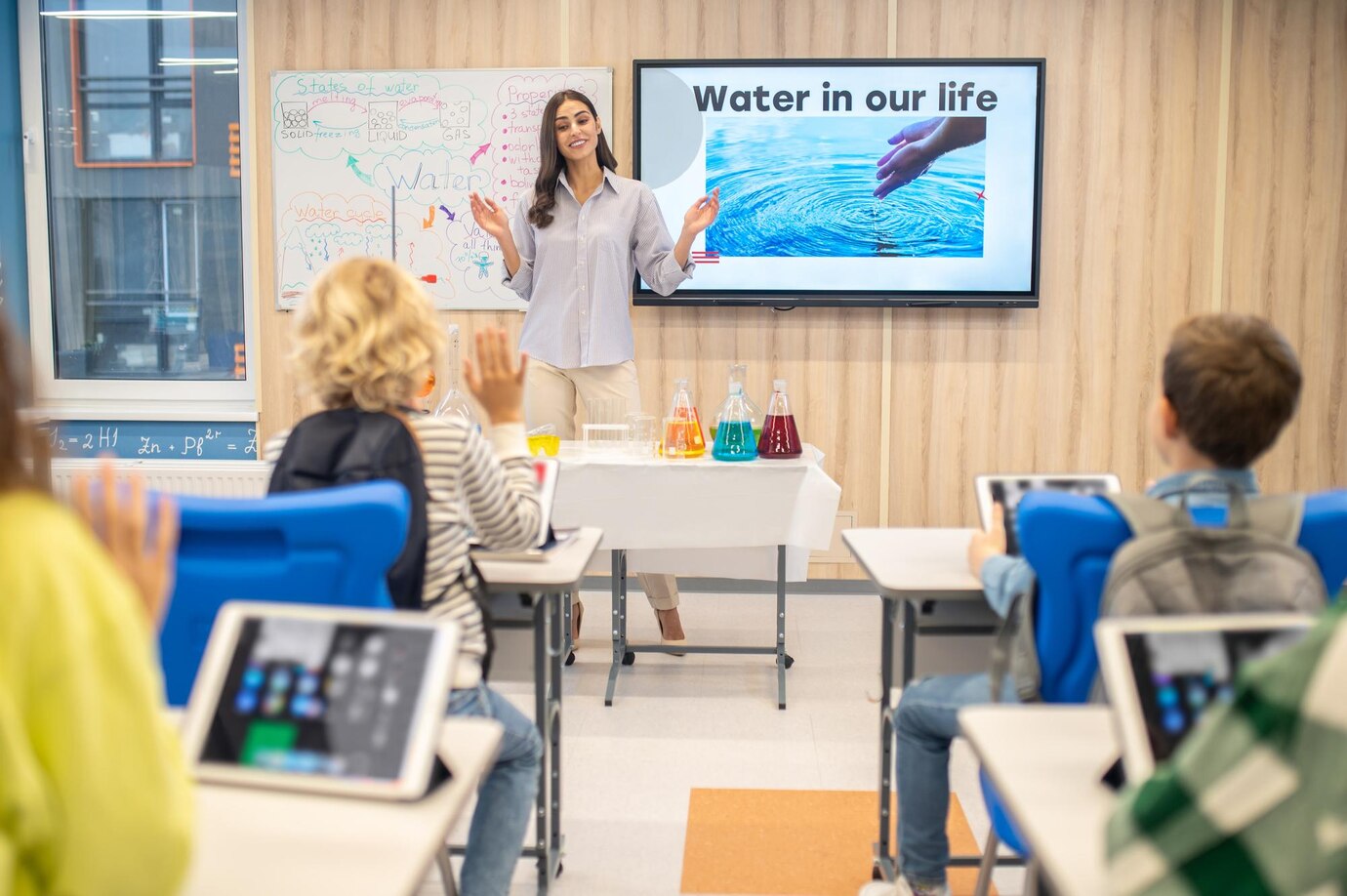
The classroom environment is more than just the physical space where teaching occurs. It encompasses the social, emotional, and psychological climate of learning, shaping how students engage with content, interact with peers, and develop as individuals. Research and practice consistently demonstrate that the environment in which learning takes place significantly influences academic achievement, motivation, behavior, and long-term success. Understanding how classroom environments impact student outcomes is crucial for educators, school leaders, and policymakers striving to create optimal conditions for learning.
Defining the Classroom Environment
A classroom environment consists of several interrelated dimensions, including the physical setup, social dynamics, instructional strategies, and emotional climate. The physical space—lighting, seating arrangements, resources, and accessibility—affects comfort, focus, and interaction. The social environment, shaped by teacher-student relationships and peer interactions, influences collaboration, communication, and a sense of belonging. Instructional approaches and organizational structures determine how students engage with content and participate in learning activities. The emotional climate, including the degree of safety, support, and respect, affects motivation, self-confidence, and resilience. Together, these factors create an ecosystem that can either facilitate or hinder student success.
The Role of Physical Environment
The design and organization of the physical classroom can directly impact learning outcomes. Comfortable seating, adequate lighting, and clear visibility of instructional materials contribute to students’ focus and engagement. Flexible seating arrangements, such as clusters for group work or open spaces for discussion, encourage collaboration and active participation. Access to educational resources, including books, technology, and manipulatives, supports inquiry and creativity. Additionally, classrooms that are visually stimulating, with educational displays, student work, and interactive materials, promote curiosity and intellectual engagement. A thoughtfully arranged physical environment signals to students that learning is valued and that their comfort and needs are considered.
Social and Emotional Environment
The social and emotional dimensions of the classroom are equally important. A positive classroom climate fosters respect, trust, and inclusivity, creating a space where students feel safe to express ideas, ask questions, and take intellectual risks. Teacher-student relationships are foundational to this climate; educators who are approachable, empathetic, and supportive promote engagement, motivation, and resilience. Peer interactions also shape the learning environment, influencing collaboration, communication, and conflict resolution skills. Classrooms that prioritize social-emotional learning help students develop empathy, self-awareness, and interpersonal competencies essential for long-term success.
Impact on Academic Achievement
The classroom environment directly influences academic outcomes. Research shows that students in supportive, engaging environments demonstrate higher levels of achievement, retention, and critical thinking. Physical comfort, structured routines, clear expectations, and access to resources enable students to focus on learning rather than distractions. A positive social-emotional climate reduces anxiety, increases confidence, and encourages persistence through challenging tasks. In contrast, environments characterized by disorganization, negativity, or lack of support can impede learning, decrease motivation, and contribute to disengagement.
Motivation and Engagement
Classroom environment shapes student motivation, a key predictor of success. Environments that provide autonomy, choice, and meaningful challenges foster intrinsic motivation. When students feel empowered to direct aspects of their learning, explore interests, and engage in inquiry, they become active participants rather than passive recipients of information. Recognition of effort, constructive feedback, and opportunities for mastery further enhance motivation. Classrooms that encourage curiosity, experimentation, and reflection create sustained engagement and a love of learning.
Behavior and Classroom Management
A well-structured classroom environment positively affects student behavior. Clear routines, consistent expectations, and fair discipline practices reduce disruptions and promote self-regulation. Supportive relationships and a focus on social-emotional development encourage cooperative behavior, empathy, and problem-solving. Conversely, chaotic or overly rigid environments can contribute to frustration, disengagement, and negative behavior patterns. Effective classroom management integrates physical, social, and instructional strategies to maintain order while promoting autonomy, collaboration, and positive interactions.
Inclusivity and Equity
An inclusive classroom environment ensures that all students, regardless of background, ability, or identity, have equitable access to learning opportunities. Differentiated instruction, accessible resources, and culturally responsive teaching practices accommodate diverse needs and experiences. Classrooms that celebrate diversity and foster respect for multiple perspectives cultivate a sense of belonging and empowerment. Inclusive environments not only enhance academic outcomes but also promote social cohesion, empathy, and global awareness.
Instructional Strategies and Environment
Teaching methods and instructional design are critical components of the classroom environment. Active learning strategies, project-based learning, collaborative tasks, and inquiry-based approaches create dynamic, participatory classrooms. Technology integration, multimedia resources, and interactive tools further enhance engagement and understanding. Conversely, purely lecture-based, passive instruction may limit interaction, creativity, and critical thinking. The alignment of pedagogy with the needs, interests, and abilities of students creates an environment that supports both academic and personal growth.
Teacher Role in Shaping the Environment
Educators are the primary architects of the classroom environment. Their attitudes, behaviors, and instructional choices influence social norms, emotional climate, and engagement. Teachers model respect, curiosity, and ethical behavior, shaping students’ interpersonal skills and values. Professional development in classroom management, social-emotional learning, and instructional design equips educators to create environments that maximize learning potential. Reflection, adaptability, and responsiveness to student feedback allow teachers to refine the environment continually.
Student Autonomy and Agency
Classroom environments that support student autonomy empower learners to take responsibility for their learning. Opportunities for choice, self-directed projects, and inquiry-based activities encourage critical thinking, creativity, and problem-solving. When students have agency, they develop confidence, intrinsic motivation, and lifelong learning habits. Balancing guidance with independence ensures that students are supported while being challenged to grow intellectually and personally.
Assessment and Feedback
The approach to assessment and feedback is an integral aspect of the classroom environment. Environments that emphasize formative assessment, constructive feedback, and reflection promote growth and resilience. Students who understand that learning is a process rather than a one-time evaluation are more likely to embrace challenges, learn from mistakes, and persist through difficulties. Feedback that is timely, specific, and supportive reinforces engagement, motivation, and skill development.
Impact on Long-Term Success
The influence of the classroom environment extends beyond immediate academic outcomes. Students who experience positive, supportive, and engaging learning environments develop social-emotional competencies, cognitive skills, and habits of mind that serve them throughout life. They are better equipped for higher education, professional challenges, and civic engagement. The lessons learned in well-structured, inclusive, and dynamic classrooms shape attitudes toward learning, resilience in adversity, and the ability to collaborate effectively in diverse contexts.
Challenges and Considerations
Creating optimal classroom environments requires careful planning, resources, and ongoing reflection. Challenges include large class sizes, limited resources, diverse learner needs, and competing administrative demands. Educators must balance academic rigor with emotional support, structure with flexibility, and individual attention with group dynamics. Collaboration among teachers, administrators, families, and communities enhances the ability to address these challenges and create environments conducive to success.
Future Directions
As education evolves, the classroom environment will continue to adapt. Integration of technology, flexible learning spaces, personalized instruction, and social-emotional learning programs will redefine how classrooms operate. Emphasis on inclusivity, equity, and student agency will shape environments that are responsive to diverse needs and aligned with twenty-first-century skills. Continuous professional development and reflective practice will ensure that educators remain capable of designing environments that optimize learning and personal growth.
Leave a Reply