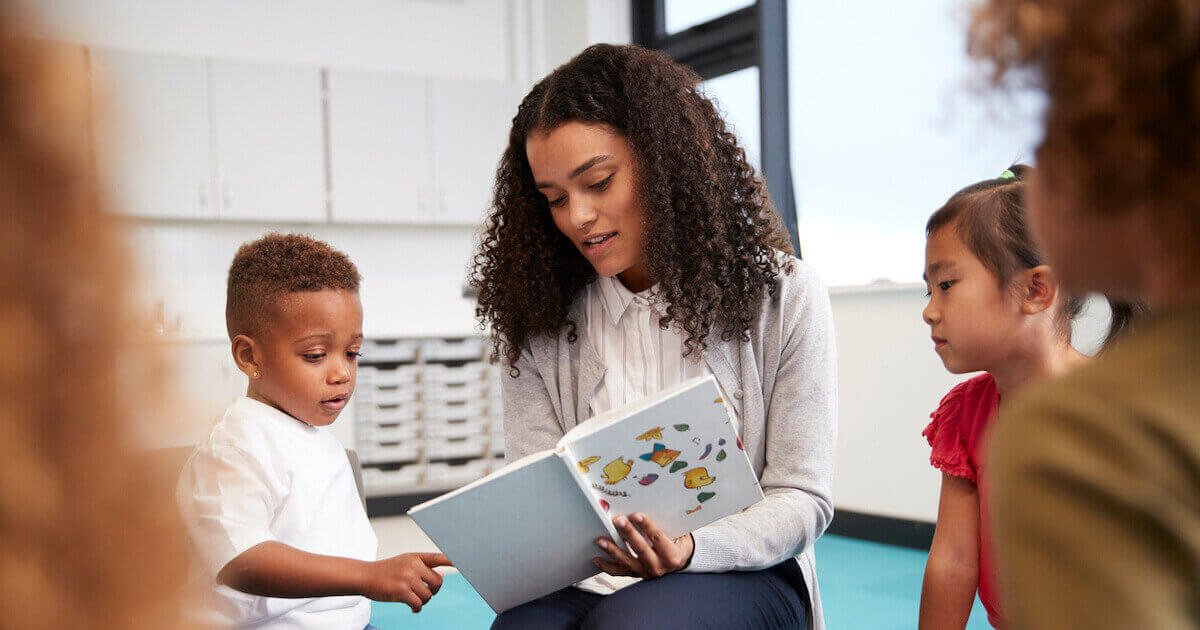
The classroom environment plays a fundamental role in shaping the learning experiences, motivation, and success of students. Education is not merely the delivery of content; it is a dynamic interaction between students, teachers, and the physical, social, and emotional surroundings in which learning occurs. Over decades of research, educators and psychologists have consistently demonstrated that the conditions in which students learn significantly influence not only academic outcomes but also social-emotional development, critical thinking, and lifelong learning habits. Understanding the multifaceted impact of classroom environments is essential for educators, administrators, and policymakers who seek to create spaces where all learners can thrive.
Understanding the Classroom Environment
The classroom environment is a composite of multiple interrelated factors, including physical space, instructional strategies, social dynamics, and emotional climate. The physical dimension involves the design, organization, and resources of the classroom, such as lighting, seating, accessibility, and availability of learning materials. A well-organized, visually stimulating, and resource-rich classroom enhances focus and encourages exploration, while cluttered or poorly arranged spaces can lead to distraction and disengagement.
The social dimension pertains to the interactions between students and teachers, as well as peer relationships. Positive social dynamics foster cooperation, effective communication, and mutual respect. Students who feel valued and understood by their teachers are more likely to participate actively, take intellectual risks, and persevere through challenges. Conversely, classrooms characterized by tension, inequality, or indifference can hinder learning, motivation, and engagement.
The emotional dimension is equally critical. The sense of psychological safety, emotional support, and belonging directly affects student motivation, confidence, and resilience. When students perceive that their voices are respected, that their mistakes are learning opportunities, and that they are part of a supportive community, they are more likely to take initiative, engage deeply with content, and develop critical social-emotional skills.
Physical Environment and Its Influence on Learning
The physical environment of the classroom sets the stage for learning. Comfortable seating, adequate lighting, clear sightlines, and organized spaces contribute to concentration and engagement. Flexible seating arrangements, such as clusters for group work, U-shaped formations for discussions, or open areas for experiential activities, encourage collaboration and active participation. The availability of learning resources, including books, technological tools, manipulatives, and visual aids, enriches instruction and promotes exploration.
A visually stimulating classroom that displays student work, educational posters, and interactive materials reinforces curiosity and pride in learning. The physical space communicates values; classrooms that are welcoming, orderly, and engaging signal that education is meaningful and that students are respected. This environment encourages exploration, experimentation, and ownership of learning.
Social Dynamics and Peer Interaction
The social environment of a classroom profoundly impacts student outcomes. Positive student-teacher relationships are associated with higher engagement, increased motivation, and improved academic performance. Teachers who are approachable, empathetic, and supportive foster trust, encourage inquiry, and create spaces where students feel safe to express their ideas and challenge assumptions.
Peer interactions also shape learning experiences. Classrooms that promote collaboration, discussion, and group problem-solving allow students to develop communication, negotiation, and teamwork skills. Cooperative learning experiences mirror real-world professional and social contexts, preparing students for complex interpersonal interactions beyond the classroom. Inclusion and diversity within peer groups further enhance critical thinking, empathy, and cultural awareness, fostering a sense of global citizenship.
Emotional Climate and Motivation
Motivation is closely linked to the emotional climate of the classroom. A supportive, respectful, and engaging environment cultivates intrinsic motivation—the drive to learn for personal satisfaction rather than external rewards. Students who feel emotionally secure are more willing to take intellectual risks, explore complex topics, and persist through challenging tasks.
Emotional support in the classroom includes recognizing students’ efforts, providing constructive feedback, and acknowledging achievements. Celebrating incremental progress fosters confidence and self-efficacy, encouraging students to continue engaging actively with learning. Emotional climate also involves establishing norms of respect, fairness, and inclusivity, which reduce anxiety and create the conditions for curiosity and intellectual growth.
Instructional Strategies and Environment
The strategies employed by educators directly shape the classroom environment. Active learning approaches, such as project-based learning, inquiry-based exploration, and collaborative problem-solving, create dynamic, participatory classrooms. Instead of passively receiving information, students engage with content, apply knowledge in real-world contexts, and develop critical thinking skills.
Technology integration further enriches instructional approaches. Digital platforms, virtual simulations, and interactive tools allow students to explore concepts, conduct experiments, and collaborate beyond physical classroom boundaries. Technology-enhanced instruction can provide personalized learning pathways, real-time feedback, and immersive experiences that stimulate curiosity and intellectual engagement.
Blended learning, which combines traditional face-to-face instruction with online resources and activities, expands the flexibility and scope of classroom learning. This approach accommodates diverse learning styles, promotes self-directed study, and enables continuous engagement outside of school hours. Educators who thoughtfully integrate pedagogy and technology cultivate environments that foster autonomy, creativity, and lifelong learning habits.
Classroom Management and Structure
A well-managed classroom environment promotes focus, discipline, and self-regulation. Establishing clear routines, consistent expectations, and fair behavior policies ensures that students understand boundaries and can navigate learning activities effectively. Classroom management is not merely about enforcing rules but about creating an environment where students feel secure, respected, and empowered to take responsibility for their learning.
Structured routines provide predictability, reducing anxiety and cognitive load, while flexible spaces and approaches encourage exploration and experimentation. Balancing structure with autonomy ensures that students can thrive academically while developing critical self-management and decision-making skills.
Inclusivity and Equity
Inclusive classroom environments ensure that every student, regardless of background, ability, or identity, has access to equitable learning opportunities. Differentiated instruction, accessible resources, and culturally responsive teaching practices accommodate diverse learning needs and experiences. Classrooms that value diversity foster belonging, confidence, and social cohesion, enabling students to engage fully in learning.
Equity in the classroom extends beyond resources to include participation, recognition, and voice. Ensuring that all students can contribute, be heard, and receive support enhances engagement, motivation, and academic achievement. Inclusive practices also cultivate empathy, intercultural competence, and ethical awareness, preparing students for participation in diverse societies.
Assessment and Feedback in Supportive Environments
Assessment practices contribute significantly to the classroom environment. Formative assessments, reflective exercises, portfolios, and project-based evaluations emphasize growth, understanding, and skill development rather than rote memorization. Constructive feedback guides students to reflect, refine strategies, and deepen comprehension.
Environments that integrate continuous feedback reinforce the notion that learning is a process. Students learn to view mistakes as opportunities for growth, to take ownership of their progress, and to set goals for improvement. This approach cultivates resilience, critical thinking, and self-directed learning habits essential for lifelong success.
Teacher Influence on Classroom Environment
Educators are the architects of the classroom environment. Their behavior, attitudes, and instructional choices influence social norms, emotional climate, and intellectual engagement. Teachers who model curiosity, respect, and ethical conduct set expectations for student behavior and interaction. Professional development in classroom management, pedagogy, and social-emotional learning equips teachers to create environments that support diverse learners.
Teachers must also engage in reflective practice, adapting strategies based on student feedback, outcomes, and needs. Effective educators continually refine the classroom environment to enhance motivation, engagement, and achievement, demonstrating responsiveness and a commitment to student success.
Long-Term Impact on Success
The influence of the classroom environment extends far beyond immediate academic outcomes. Students who learn in supportive, engaging, and inclusive classrooms develop cognitive, social, and emotional competencies that serve them throughout life. They gain critical thinking skills, collaboration abilities, and resilience that prepare them for higher education, professional challenges, and civic participation.
Moreover, students who experience positive learning environments develop intrinsic motivation, a love of learning, and self-directed habits that contribute to lifelong education. The classroom experience shapes attitudes, skills, and behaviors that influence personal growth, career readiness, and the capacity to navigate a rapidly changing world.
Challenges and Considerations
Creating optimal classroom environments involves navigating challenges such as large class sizes, limited resources, diverse student needs, and competing curricular demands. Educators must balance academic rigor with emotional support, structure with flexibility, and individual attention with collective learning. Collaboration among teachers, administrators, families, and communities enhances the ability to design environments that address these challenges effectively.
Resource disparities and inequities in access to technology or learning materials must be addressed to ensure that all students benefit equally. Cultural differences, socio-economic contexts, and individual learning profiles require sensitivity and adaptive strategies. Continuous evaluation, professional development, and reflective practice are essential to sustain high-quality classroom environments.
Future Directions in Classroom Design
The evolution of education in the twenty-first century emphasizes adaptability, technology integration, and learner-centered approaches. Flexible learning spaces, collaborative technologies, personalized learning platforms, and social-emotional curricula redefine the traditional classroom. Classrooms are increasingly designed as dynamic ecosystems that accommodate diverse learning styles, encourage curiosity, and foster collaboration.
The future of classroom design emphasizes inclusivity, accessibility, and adaptability. Emerging technologies, such as virtual reality, artificial intelligence, and immersive simulations, will expand opportunities for experiential learning and personalized instruction. Educators who embrace these innovations while maintaining attention to social, emotional, and ethical dimensions will create environments that maximize student success.
Leave a Reply